ASKAY ASKAY

Fuel, LPG & LNG storage terminal

Marine-connected. Multimodal. EPC+F-ready.

Storage terminal and distribution facility with integrated handling and operational control, delivered by one accountable partner from concept and financing support to commissioning and handover.

MarineRoadRailTerminal automation
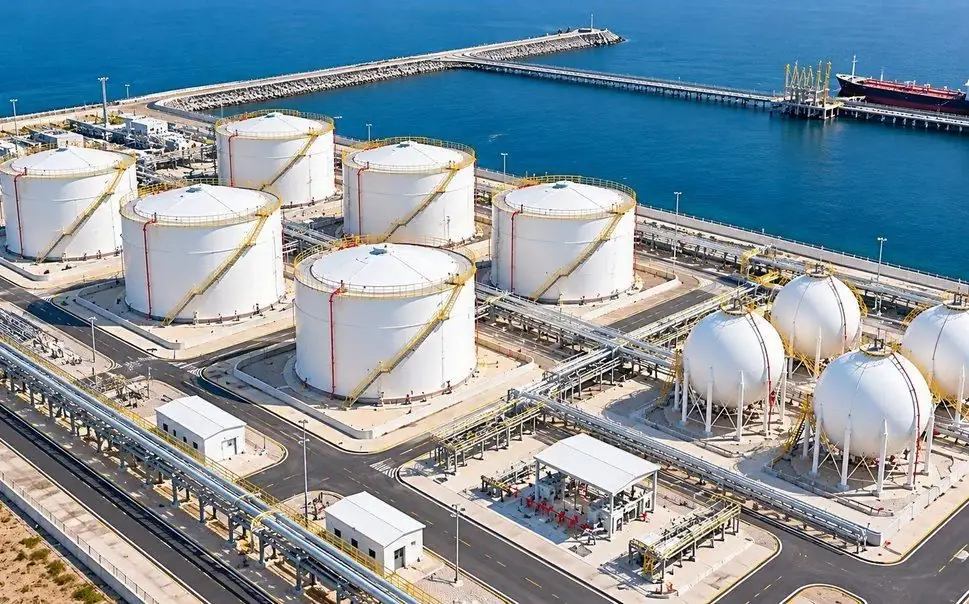
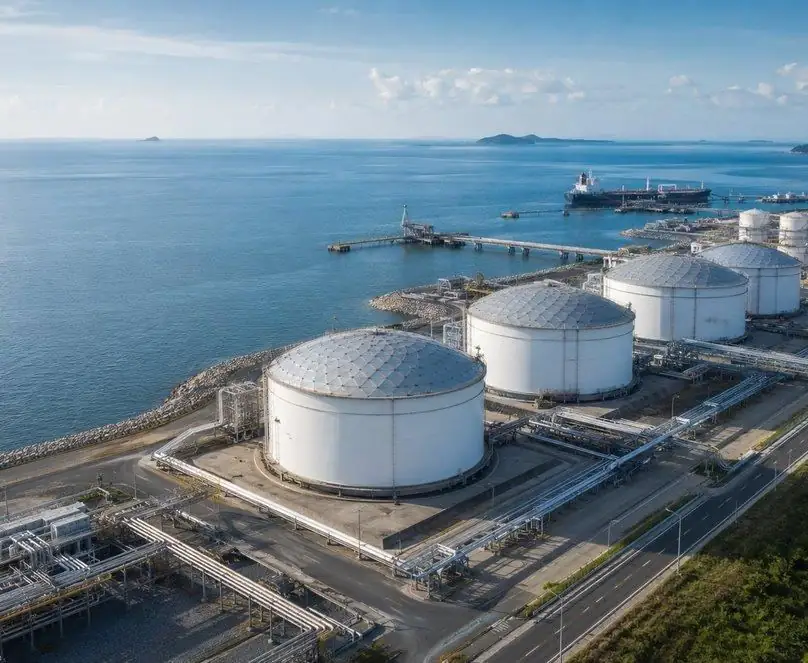
Aerial view of a marine storage terminal with tanks, spheres and jetty
Executive concept

Integrated fuel storage, handling, distribution and operational control

A controlled platform for receipt, storage, custody transfer and redistribution, delivered on an EPC+F-ready basis.

Purpose

A controlled logistics hub for receipt, storage, custody transfer and redistribution of refined petroleum products.

Configuration

Tank farms, pump stations, metering, additives, VRU, fire protection, automation and control systems.

EPC+F delivery basis

Concept, FEED, financing support, permitting, procurement, construction, commissioning and handover.

Modes

Marine, road and optional rail interfaces for regional distribution.

Corporate objective: a safe, auditable and bankable terminal platform for third-party storage, inland distribution, product segregation, blending and additives, future expansion and financing support.

Terminal role

A controlled interface between import logistics, storage custody and inland distribution

01

Vessel / pipeline

Import by ship or pipeline

02

Jetty / manifold

Ship-to-shore transfer

03

Tank farm

Storage and segregation

04

Pump and metering

Custody transfer

05

Road / rail dispatch

Inland distribution

Commercial storage

Third-party storage, stock holding, inventory custody, product segregation and nominated movements.

Distribution hub

Daily truck dispatch, rail transfer where applicable, local delivery and regional product movement.

Quality handling

Product sampling, gauging, additive injection, blending logic and custody-transfer documentation.

Performance focus: berth efficiency · inventory accuracy · truck turnaround · safety compliance · expansion readiness.

Typical project basis

Core assumptions confirmed against final site, product slate and throughput

Operating basis

Marine receipt and back-loading through jetty, berth, offshore mooring or port matrix manifold.

Truck distribution

Loading racks designed for high-frequency dispatch with metering, automation and vapour control.

Risk studies

HAZID, HAZOP, EIA, FRA, hazardous-area classification and emergency response basis.

FEED validation

Final capacity, line and tank sizing, CAPEX basis and financing structure fixed during FEED, lender review and authority coordination.

Product slate

  1. 01

    LPG, LNG and pressurised storage

  2. 02

    Unleaded gasoline (Class I liquid)

  3. 03

    Gas oil (Class II liquid)

  4. 04

    Jet fuel and diesel options if required

Storage configuration

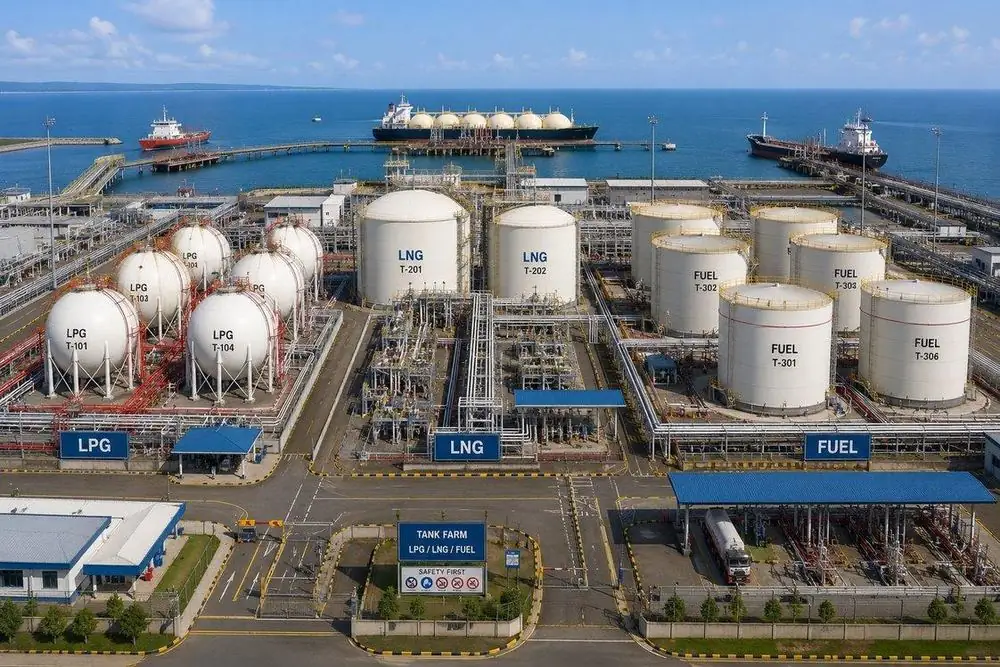
Typical tank-farm arrangement for pressurised LPG and atmospheric refined fuels

Terminal layout with LPG, LNG and fuel storage zones

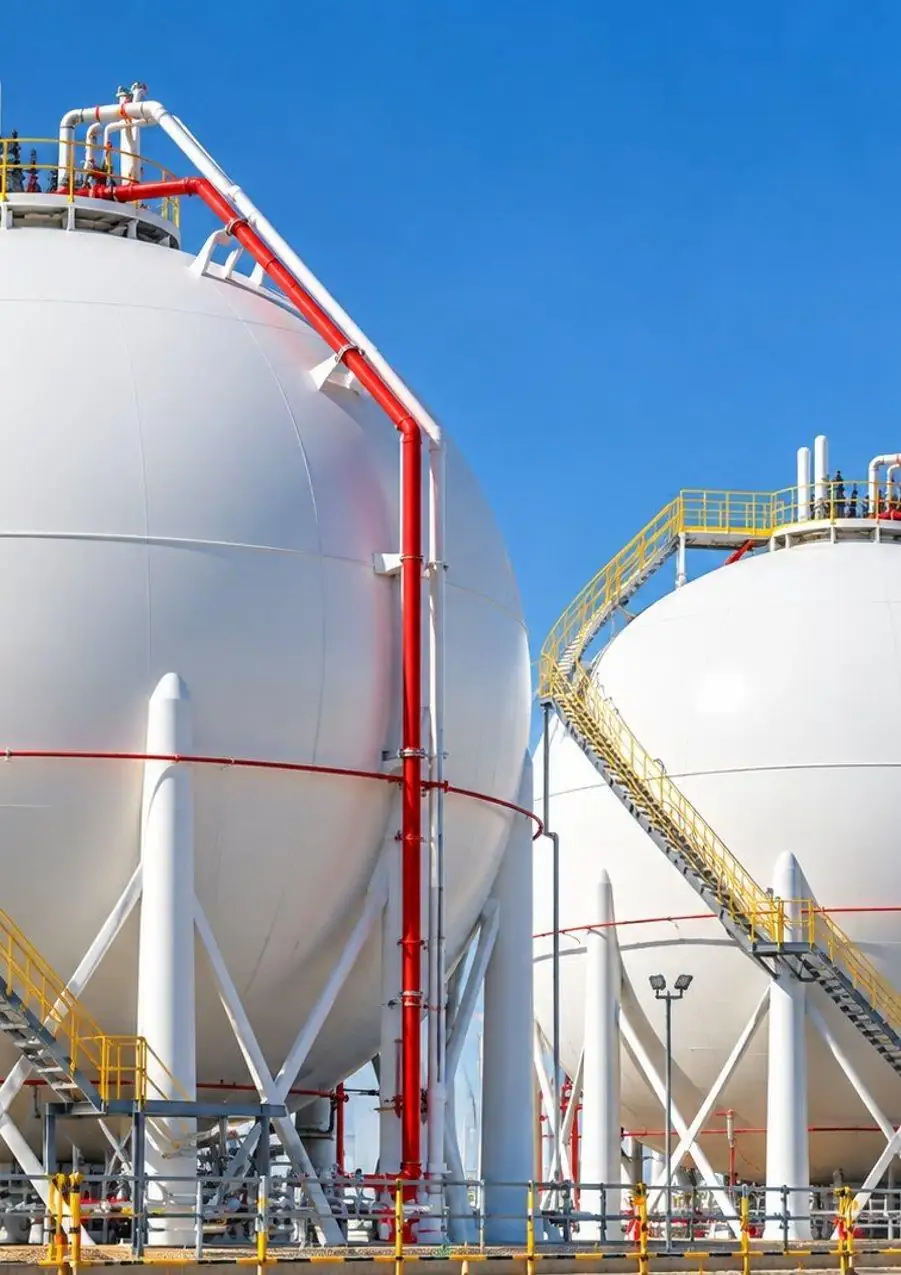
Example arrangement: pressurised LPG spheres alongside atmospheric vertical tanks, with zoned product areas and fire spacing. Design drivers: product zoning, fire spacing, access roads, future tie-ins.

Atmospheric vertical tanks

Gasoline, diesel, gas oil or jet fuel tanks with floating deck or dome roof options.

Pressurised LPG / LNG storage

Spheres or bullets designed to pressure-vessel codes, with separation and fire protection.

Bund walls

Secondary containment, oily-water drainage, controlled release and firewater considerations.

Phased expansion

Reserved tie-ins, spare manifold nozzles, pipe-rack capacity and utility allowance.

Integrated logistics

Marine, road and rail from one multimodal hub

Marine berth → transfer lines → tank farm → pump and metering → road or rail loading. Multimodal scope is confirmed during FEED based on port, highway and rail access.

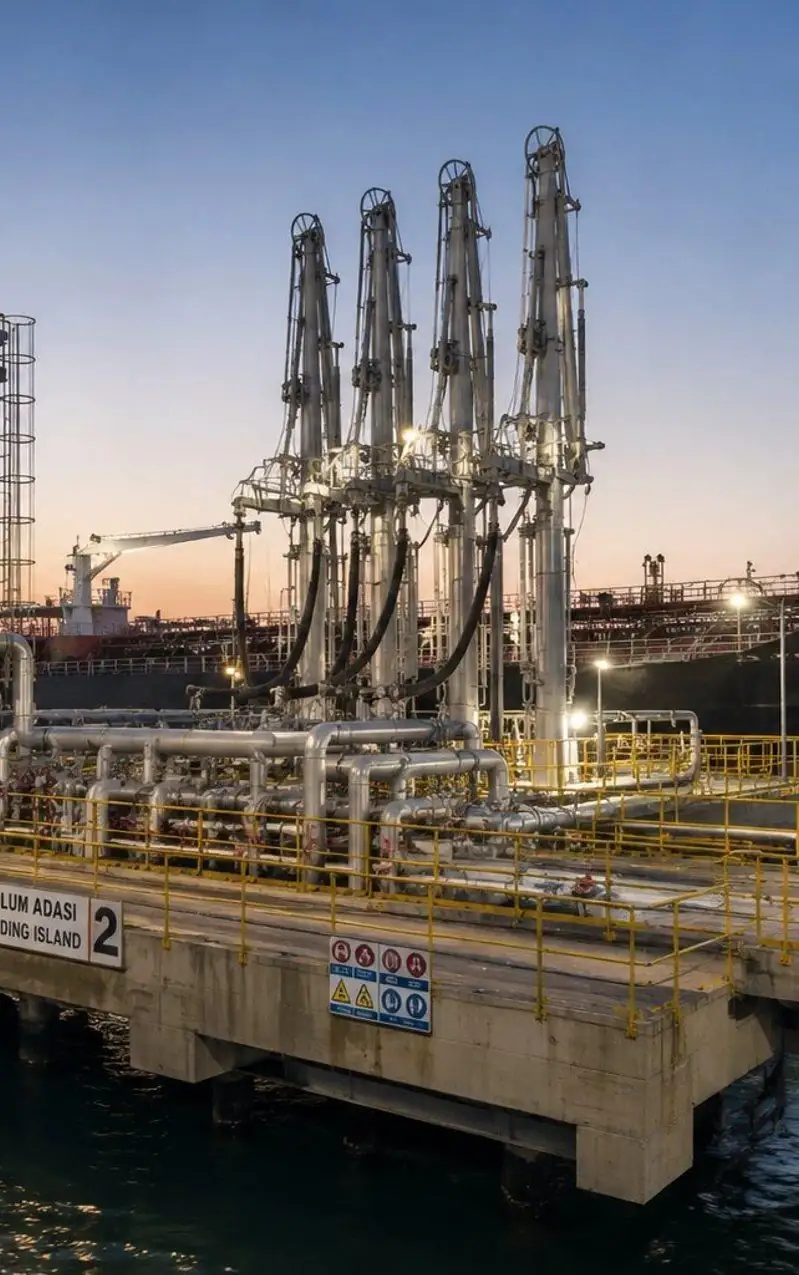
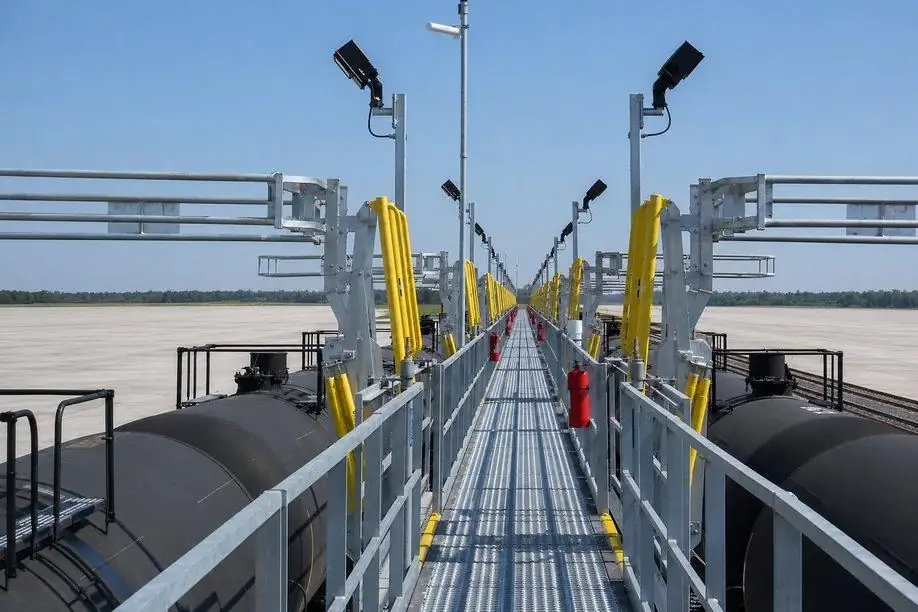
Marine loading arms on a jetty

Marine

Ship unloading and loading via jetty, berth, SPM/CBM or port manifold.

  • Product import and export pipelines
  • Marine loading arms or hoses
  • ESD link between vessel, jetty and terminal
  • Custody metering, sampling and bill of lading
  • Surge analysis, thermal relief and pollution prevention
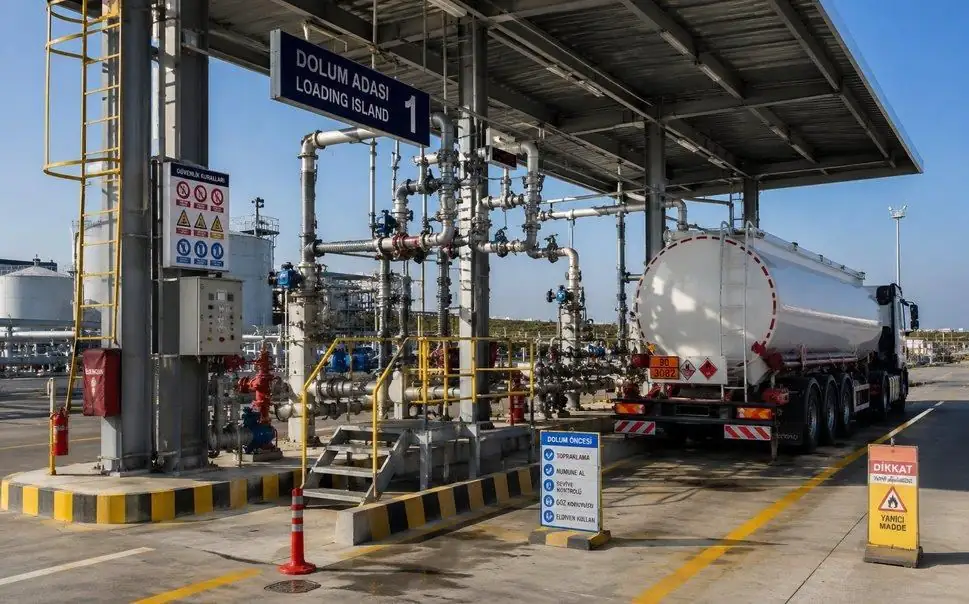
Road tanker at a bottom-loading bay

Road

Bottom-loading tanker bays for flexible, metered and documented regional distribution.

  • Gate entry, order, bay allocation, loading, BOL and exit
  • Single- or double-sided bays by throughput
  • Dry-break couplers, grounding and overfill protection
  • Terminal automation for orders, metering and batch records
  • Spill containment, foam protection and vapour recovery
Rail loading gantry above tank wagons

Rail (optional)

Rail siding and gantry for high-volume inland movement, subject to access and licences.

  • Rail siding or spur connection and loading gantry
  • Tank-to-rail and rail-to-tank transfer modes
  • Custody metering, sampling and line flushing
  • Earthing, overfill protection, ESD and gas detection
  • Lower unit cost on long-distance corridors
Major facilities and equipment

Physical systems required to operate a terminal safely, reliably and commercially

Storage and transfer

Tanks and LPG spheres, manifolds, product, truck and stripping pumps

Loading systems

Truck and rail gantries, bottom loading arms, metering skids, batch control

Process packages

Additive dosing, VRU, oily-water handling, slop oil and sampling

Civil and buildings

Control room, substation, workshop, roads, pipe racks, bunds, fencing

E&I systems

Power distribution, MCC/VFD, UPS, lighting, instruments, F&G, comms

Safety systems

Firewater, foam, hydrants, ESD, hazardous-area and emergency facilities

Automation

SCADA, TAS, tank gauging, inventory, FAN/BOL stations, ERP interface

Utilities

Plant air, nitrogen, potable water, drainage, emergency generator

Final equipment list, sizing and redundancy are fixed during FEED against throughput, product slate and site constraints.

Safety, fire protection and HSE

Governed by risk studies, hazardous-area classification and emergency response

01

Firewater

Ring main, hydrants and monitors

02

Foam systems

For tanks and loading areas

03

Fire and gas

Gas and flame detection, fire alarm

04

ESD

Emergency shutdown and fail-safe logic

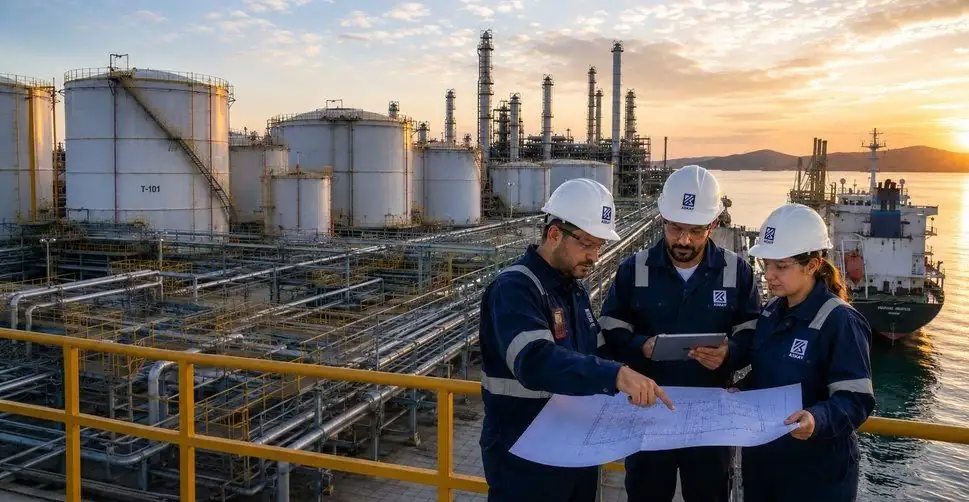
Engineers reviewing drawings at a terminal

Risk and compliance

HAZID, HAZOP, FRA, EIA, area classification, Civil Defence

Emergency response

ERP, evacuation, muster points, drills, incident command, spills

Operating discipline

PTW, isolation, LOTO, SIMOPS, contractor control, handover

Environmental controls

Vapour recovery, OWS, bund management, slop, drainage

Automation and terminal operations

SCADA, terminal automation and inventory systems for operational control and traceability

Level 4Business / ERP interface
Level 3Terminal Automation System (TAS)
Level 2SCADA / PLC / batch control
Level 1Field instruments and actuators
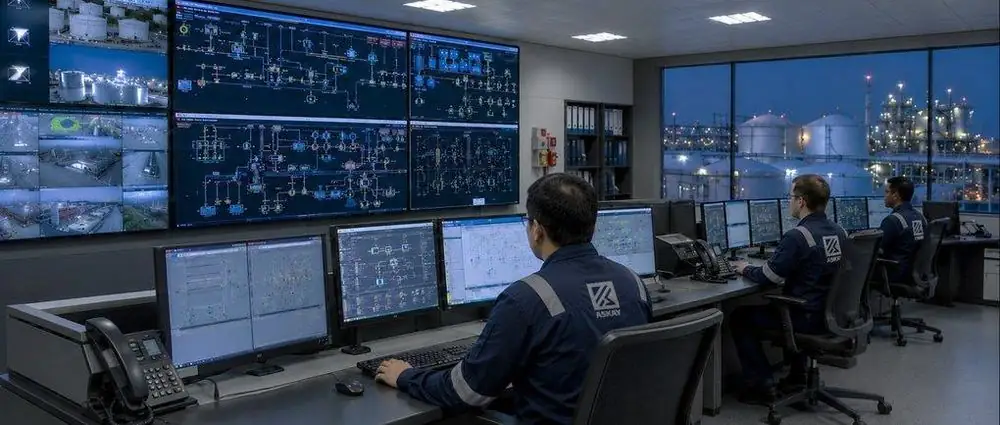
Terminal control room

Truck loading automation

Order management, loading authorisation, bay control, metering, batch control, FAN/BOL stations and access control.

Inventory management

Tank gauging, stock reconciliation, transfer logs, temperature and density correction and custody records.

Operational visibility

Alarm management, trend history, maintenance runtime data, CCTV and remote reporting dashboards.

Terminal operating philosophy

Safe, controlled and auditable operations from product receipt to final dispatch

24/7

Control room

SCADA, CCTV, fire and gas monitoring and terminal automation

PTW

Permit-to-work

Controlled maintenance, hot work, confined space entry and line-breaking

100%

Custody transfer

Metering, sampling, tank gauging and reconciliation for all movements

HSE

HSE first

ESD readiness, spill prevention, emergency response and loading-area controls

Operational workflow

01

Nomination

02

Pre-arrival checks

03

Receipt and metering

04

Tank storage and gauging

05

Loading authorisation

06

Dispatch and reconciliation

Operation and maintenance organisation

Terminal manager

Overall accountability, client interface, authority coordination and performance reporting.

Operations supervisor

Shift planning, product movement approvals, control room supervision and loading coordination.

Maintenance lead

Preventive maintenance, critical spares, calibration, inspection and contractor control.

HSE / fire officer

Permit-to-work, drills, incident reporting, safety audits and environmental compliance.

Inventory / admin

Stock reconciliation, BOL documentation, nominations, invoicing support and records.

Key KPIs: zero LTI · dispatch accuracy · inventory variance · pump availability · truck turnaround · HSE compliance.

Environmental and permitting framework

Environmental compliance and authority approvals embedded into the engineering pathway

01

Site data

02

EIA

03

Risk studies

04

Authority review

05

Permit to build

Emissions control

VRU and vapour return systems reduce VOC emissions from storage and loading operations.

Water protection

Drainage segregation, oily-water separator, bund management and slop oil handling protect stormwater systems.

Local compliance

Port authority, municipality, Civil Defence, utility provider, environmental and railway authorities where applicable.

Permitting sequence and authority list are confirmed per jurisdiction during concept and FEED.

EPC+F commercial structuring

Aligning technical scope, bankability and client funding requirements

Financing support

Financeable project package: technical scope, CAPEX basis, execution programme and bankability documentation.

Client / lender interface

Information flow for client, banks, ECAs, investors or strategic partners per the preferred funding route.

Risk allocation

Responsibilities for EPC execution, payment milestones, guarantees, insurance, permits and change management.

Commercial flexibility

EPC, EPC+F, phased development, supplier credit, investor participation or hybrid routes, subject to approval.

Coastal storage terminal with jetty

Development roadmap

01Concept
02FEED
03Finance
04Permits
05Procurement
06Construction
07Commissioning

Indicative schedule: 18–24 months from concept definition to commissioning, subject to plot readiness, approvals, financing structure, procurement strategy and construction phasing.

Financing participation is subject to project due diligence, client credit profile, contractual security, lender requirements and final board and partner approval.

ASKAY EPC+F delivery scope

One accountable partner from concept and financing support through to commissioning and handover.

  1. 1Engineering — Concept, FEED, detailed design, authority submissions
  2. 2Financing support — Budget basis, funding route, bankability inputs
  3. 3Procurement — Tankage, mechanical packages, E&I, automation, safety systems
  4. 4Construction — Civil works, tanks, piping, substations, site infrastructure
  5. 5Commissioning — Pre-commissioning, start-up, training, handover documentation
Email info@askay.com

Preliminary concept, subject to FEED validation against final site, product slate and throughput.

LPG storage spheres